
India
Old Juvenile Case Cannot Deny Passport, Rules Delhi High Court
May 15, 2026 Source: Indivox News
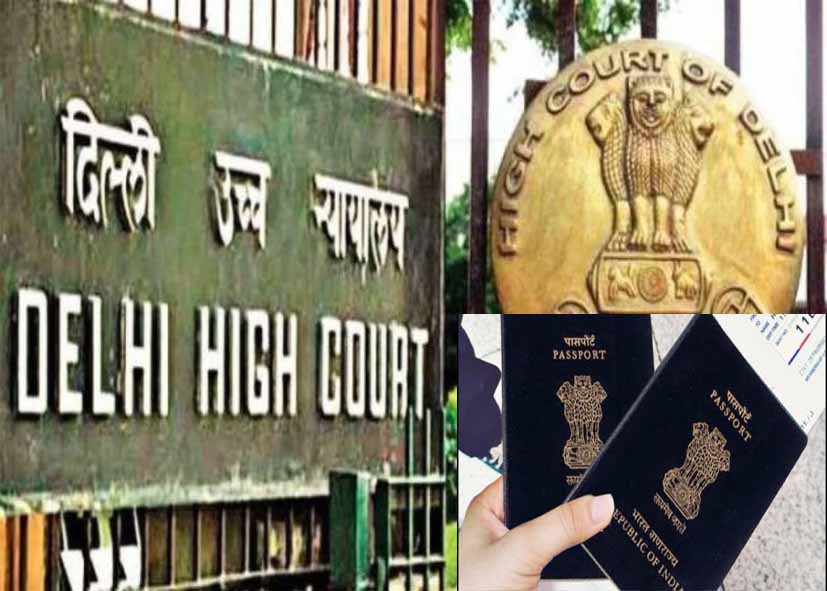
The Delhi High Court has provided major relief to a young man by ordering the removal of his juvenile criminal records, which had become a hurdle in obtaining a passport. The court directed the State Crime Records Bureau (SCRB) to delete the old records so that the applicant could move forward with his passport process without further complications.
The case involved a man whose passport application had remained pending because of a criminal case registered during his teenage years. Although the matter was decades old, the record still appeared during police verification, causing repeated difficulties for him. The petitioner argued that the continued presence of the record was unfair and was negatively affecting his future opportunities.
During the hearing, the court emphasized that the purpose of the Juvenile Justice law is rehabilitation and reform, not lifelong punishment. The bench stated that mistakes committed during childhood should not become a permanent stigma that affects education, employment, or travel opportunities later in life. Justice Manoj Jain observed that juveniles have a complete “right to be forgotten,” and this principle should not be compromised under any circumstances.
According to the petitioner, the case dated back to the year 2000, when he was a minor. A case involving fraud and forgery had been registered against him at New Friends Colony police station after he allegedly used a fake pass while traveling on a DTC bus. He was later presented before the Juvenile Justice Board, fined, and released. However, years later, the same incident resurfaced during passport verification.
The man informed the court that he had applied for a passport last year after receiving a job opportunity abroad. However, authorities rejected his application after discovering the old criminal record. Challenging the decision, he approached the High Court for relief.
The court clarified that once juvenile proceedings are completed, the offense cannot be treated as a disqualification or social stigma for the rest of a person’s life. The ruling reinforces the idea that individuals who committed mistakes as minors deserve a genuine second chance and should not continue to suffer because of childhood actions.