India
Supreme Court Petition Seeks Dissolution of NTA After NEET Crisis
May 16, 2026 Source: Indivox News
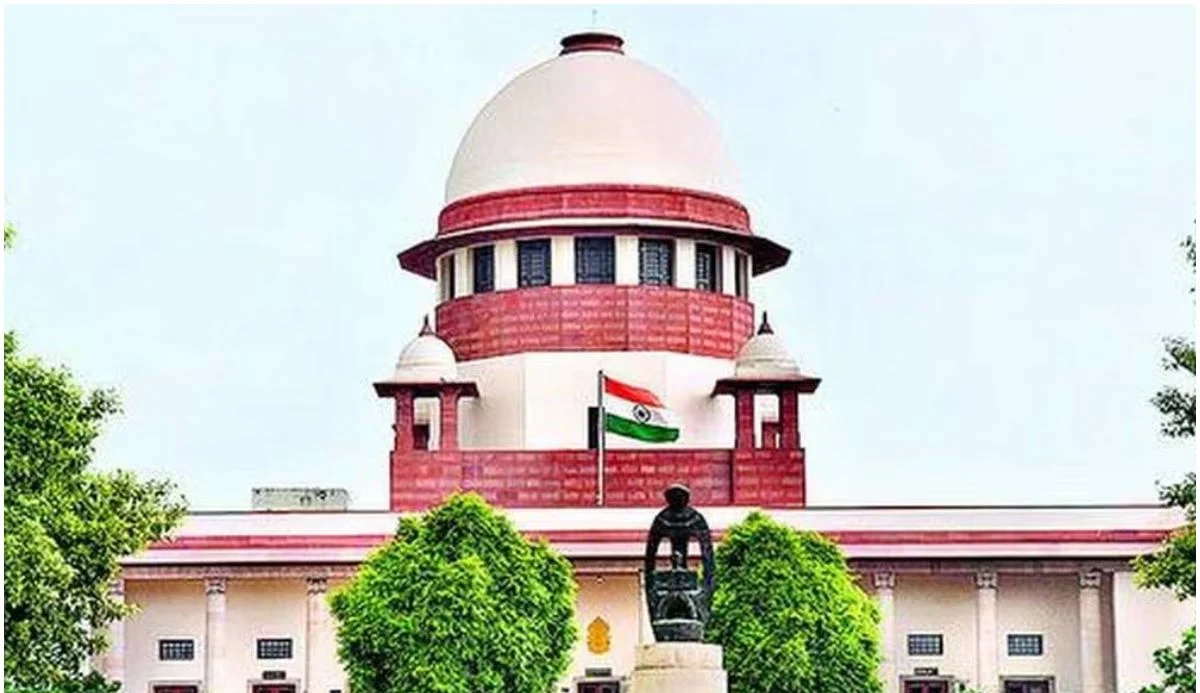
The controversy surrounding the NEET-UG 2026 examination has intensified after the United Doctors Front (UDF) approached the Supreme Court demanding the dissolution of the National Testing Agency (NTA). The petition comes in the wake of the alleged NEET paper leak and repeated claims of irregularities in the examination process, which have sparked anger among students, parents, and medical aspirants across the country.
According to the petition filed under Article 32 of the Constitution, the UDF has accused the NTA of “systematic and catastrophic failure” in conducting the NEET-UG 2026 examination. The organization argued that the current structure of the NTA, which operates under the Societies Registration Act of 1860, is inadequate to handle one of India’s most important national entrance exams. The petition urges the Supreme Court to recommend the abolition of the existing NTA framework and push for the creation of a new statutory examination body through an Act of Parliament.
The demand for major reforms follows repeated controversies linked to NEET examinations over the years. Allegations of paper leaks and irregularities were previously reported in 2021 and 2024, and the latest controversy in 2026 has further weakened public trust in the examination system. Critics argue that repeated failures have raised serious concerns about transparency, accountability, and the security of national-level entrance exams.
Before the UDF petition, the Federation of All India Medical Associations (FAIMA) had also approached the Supreme Court seeking intervention in the matter. FAIMA requested the formation of a high-level committee to monitor the functioning of the examination-conducting authority and ensure transparency in the process. Advocate Tanvi Dubey, representing FAIMA, stated that such systemic failures should not occur again and emphasized the need for stronger oversight mechanisms.
The UDF petition also highlights the growing frustration among medical aspirants who spend years preparing for NEET. Many students and parents have expressed concern that repeated exam controversies not only affect merit-based selection but also create emotional and financial stress for lakhs of candidates.
The Supreme Court is now expected to hear the petitions demanding reforms in the examination system. The case could become a significant moment in the future of medical entrance examinations in India, especially regarding the structure and functioning of the National Testing Agency.
As the NEET-UG 2026 controversy continues to dominate headlines, the pressure on the central government and the NTA is increasing. Students, parents, and medical organizations are now closely watching the Supreme Court’s response, hoping for reforms that can restore trust and transparency in the country’s competitive examination system.