
World
Pakistan’s China Dream Hit Hard as Munir Builds Trump Connection
May 18, 2026 Source: Indivox News
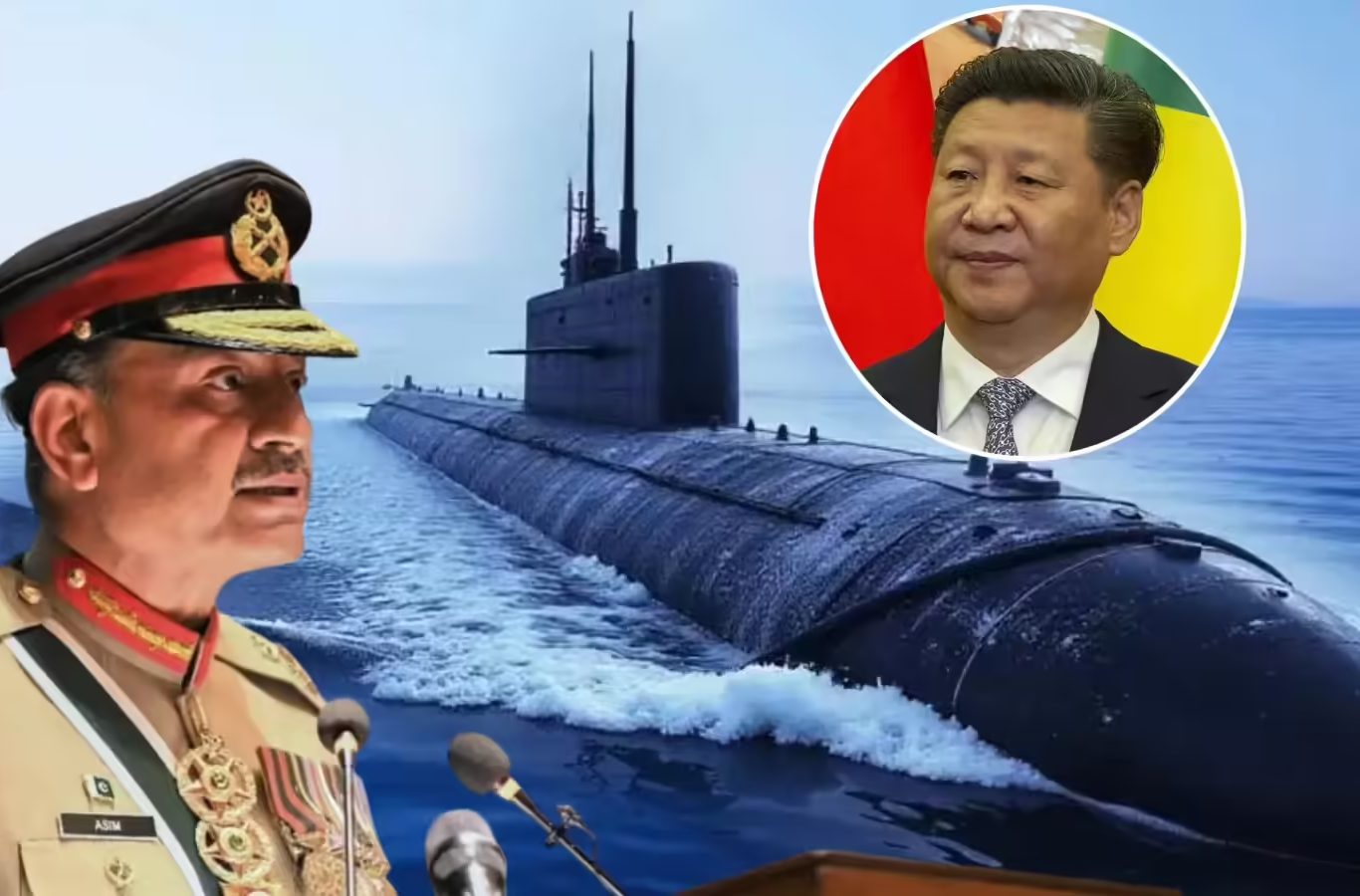
Pakistan’s growing efforts to balance its relations between the United States and China appear to be creating new diplomatic tensions. According to recent reports, China has rejected Pakistan’s request for assistance in acquiring nuclear-powered submarine technology, dealing a major setback to Islamabad’s strategic ambitions. The issue has also sparked discussion about the changing dynamics between Pakistan, China, and the US under the leadership of Pakistan Army Chief Asim Munir.
Reports claim that Pakistan wanted to strengthen its sea-based nuclear deterrence capability by obtaining advanced submarine technology from China. Islamabad allegedly proposed offering Beijing expanded access to the strategically important Gwadar naval base in return for support in developing nuclear-powered submarines. Pakistan also reportedly assured China that Gwadar could eventually serve as a permanent naval facility for the Chinese military. However, Beijing considered the proposal impractical, and the talks failed to move forward.
The development is significant because China has historically been one of Pakistan’s closest strategic partners. In previous decades, Beijing played a major role in supporting Pakistan’s nuclear and missile programs by providing technical assistance, enriched uranium, and missile systems. However, analysts believe that Pakistan’s recent efforts to improve ties with the United States may have created unease in China.
The report suggests that after becoming Army Chief in 2022, Asim Munir focused on strengthening relations with the US, especially during interactions with former US President Donald Trump. This shift reportedly slowed progress on several projects linked to the China-Pakistan Economic Corridor (CPEC). China has also repeatedly expressed concerns over the safety of Chinese workers and engineers in Pakistan, issues that Islamabad has struggled to fully address.
Pakistan has long aimed to establish a complete nuclear triad — the ability to launch nuclear weapons from land, air, and sea. In 2017, Pakistan claimed progress toward this goal after testing a submarine-launched cruise missile with a range of 450 kilometers. However, Pakistan still operates only a limited fleet of conventional submarines and lacks the advanced nuclear-powered ballistic missile submarines possessed by countries such as the United States, Russia, China, France, Britain, and India.
The reported failure of the submarine negotiations highlights the growing complexity of Pakistan’s foreign policy strategy. While Islamabad continues to maintain close defense and economic ties with China, its simultaneous attempts to improve relations with Washington may be complicating its long-standing partnership with Beijing.